From the sprawling cinematic universes of superheroes to intricate fantasy series dominating streaming platforms, our modern entertainment landscape is obsessed with epic conflicts. We devour stories of multiverses collapsing, ancient evils rising, and valiant heroes making impossible sacrifices. These grand narratives, often portraying cosmic wars and the very end of days, resonate with something profoundly ancient within us.
But why does this seemingly modern fascination with ultimate destruction and rebirth feel so familiar? Why do these tales, spun from the minds of contemporary writers, echo themes found in humanity’s earliest stories?
The answer, we propose, lies in the enduring power of myth. Specifically, we’ll delve into the formidable Norse concept of Ragnarök—the Twilight of the Gods—as a potent lens through which to understand these universal cravings. This article will unravel the timeless threads connecting Ragnarök to the epic narratives we love today, and reveal its deep parallels with other foundational myths from around the globe.
Why We're Talking About Cosmic Conflicts
Look around: our screens are awash with tales of ultimate stakes. Whether it’s the Avengers battling Thanos to prevent universal annihilation, the intricate cosmic dance of fate in Dune, or the apocalyptic visions in countless video games, there’s an undeniable pull towards narratives where the very fabric of reality hangs in the balance. We’re captivated by stories that pit forces of order against chaos, demanding impossible choices and heralding inevitable, transformative change.
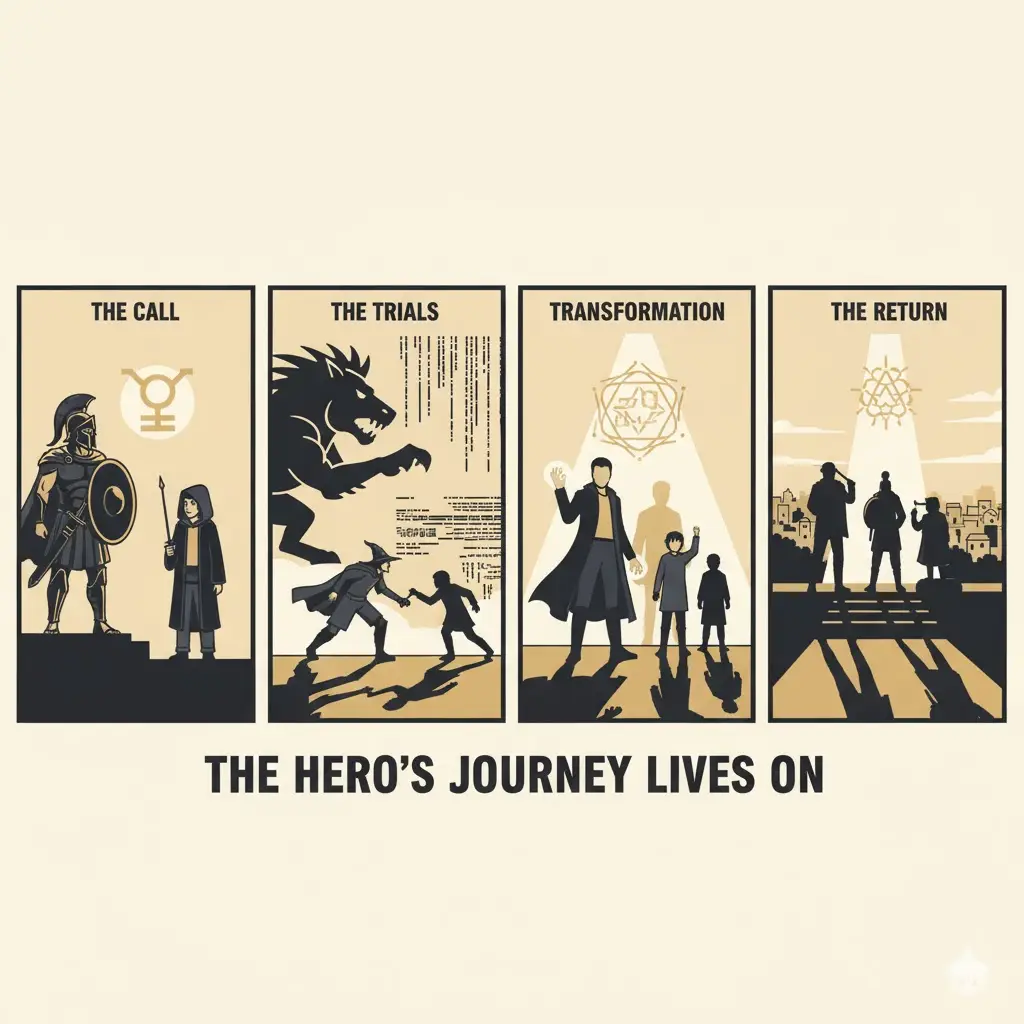
This widespread fascination isn’t just about spectacle; it’s about the deep-seated human need to comprehend destiny, struggle, and renewal. Modern storytellers, perhaps subconsciously, tap into ancient frameworks—archetypes of destruction, rebirth, and the cyclical nature of existence that have shaped human understanding for millennia. These contemporary sagas, though dressed in futuristic or magical garb, continue to explore the profound questions posed by our ancestors.
The Cyclical Doom of Ragnarök
In the frigid, windswept lands of ancient Scandinavia, a chilling prophecy whispered through the mead halls: Ragnarök. More than just an apocalypse, it was the destined end of an age, a cosmic crescendo meticulously foretold in the Eddas. It wasn’t merely a tale of destruction, but a fundamental understanding of an eternal cycle.
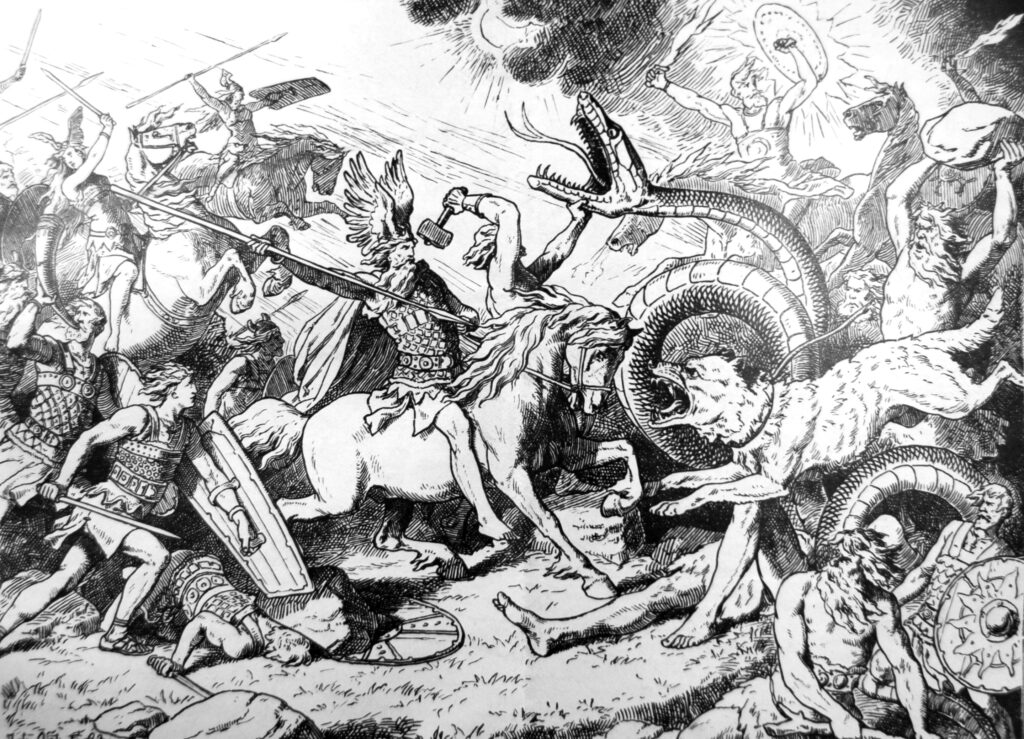
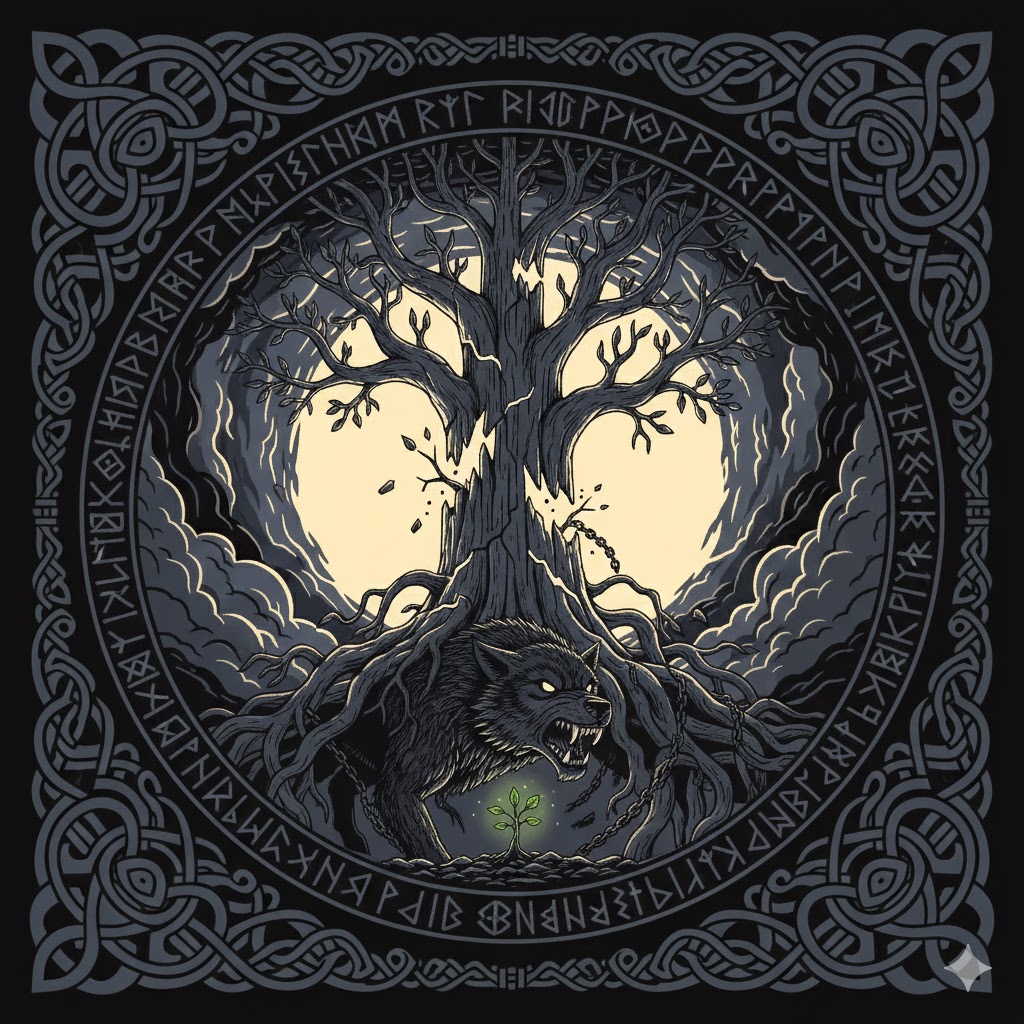
The Fimbulvetr, a three-year winter without sun, was the first ominous sign, heralding the breakdown of order. Then came the release of the monstrous children of Loki: the colossal wolf Fenrir, who would break his chains and devour Odin, the Allfather himself. Jörmungandr, the Midgard Serpent, would thrash violently in the sea, poisoning the skies and confronting his sworn enemy, Thor, in a battle that would claim both their lives.
Fire giant Surtur would emerge from Muspelheim, wielding a flaming sword, scorching the earth and bringing about the final conflagration. The mighty Æsir—Odin, Thor, Freya, Heimdall, and many others—would meet their predestined ends in glorious, tragic battle against the giants and monsters. The very cosmos would unravel, stars would fall, and the world tree Yggdrasil would tremble to its roots.
Yet, Ragnarök was not an end without hope. From the ashes of this cataclysm, a new world would emerge, green and fertile. A handful of gods, like Baldur returning from Hel, would survive, along with two human beings, Líf and Lífþrasir, who had hidden within Yggdrasil’s branches. They would repopulate the earth, ushering in a new golden age. This profound narrative wasn’t about absolute annihilation, but about the inherent concept of an eternal cycle—destruction leading to creation, an ending that was also a beginning.
What Ragnarök Tells Us About Global Myths
Ragnarök is far from an isolated myth. Its profound themes resonate across cultures and continents, proving that humanity has always grappled with similar existential questions. When we examine world mythologies, we find striking archetypal parallels that mirror the Norse vision of cosmic conflict and renewal.
Destruction and the New Beginning
The most immediate and widespread parallel to Ragnarök’s cleansing fire is the deluge. Across countless cultures, we find stories of a Great Flood. From the Biblical account of Noah’s Ark to the Mesopotamian Epic of Gilgamesh featuring Utnapishtim, or the Hindu Puranas detailing Manu’s survival, a destructive force purges the world. Like Ragnarök, these floods are often divine interventions, designed to wash away corruption and allow for a fresh start with a select few survivors, echoing Líf and Lífþrasir.
The Struggle of Chthonic Forces
Ragnarök pits the younger, established gods (the Æsir) against ancient, chaotic, chthonic forces (Fenrir, Jörmungandr, the Frost Giants). This struggle finds a powerful echo in the Greek Titanomachy, where the Olympian gods, led by Zeus, overthrow the older, more primal Titans to establish their new cosmic order. Similarly, many Indian mythologies feature a constant struggle between the benevolent Devas and the malevolent Asuras (demons), a perpetual cosmic war that defines the balance of the universe. The conflict between a ‘new’ order and an ‘old, chaotic’ one is a universal mythological trope.
Sacrifice for Wisdom and Survival
The Norse pantheon is replete with sacrifice, most notably Odin’s self-inflicted ordeal. He hangs himself from Yggdrasil for nine days and nights, pierced by his own spear, to gain the wisdom of the runes. He also sacrifices an eye at Mimir’s well for profound knowledge. This idea of a leader or sage undergoing a harrowing, often self-sacrificial, ordeal to gain insight or ensure the group’s survival is a powerful cross-cultural theme. Figures in shamanic traditions “die” to the old world to gain spiritual power, or prophets endure immense suffering to bring forth new truths that guide their people through challenging times.
Conclusion
Our modern fascination with cosmic conflicts and grand-scale destruction isn’t a new phenomenon; it’s an enduring reflection of humanity’s ancient concerns. From the prophecy of Ragnarök in the Viking Sagas to the Great Flood narratives and the battles of gods and demons across the globe, myths provide a framework for understanding the cyclical nature of existence, the struggle between order and chaos, and the transformative power of sacrifice.
These ancient stories remind us that while the settings and characters may change, the fundamental questions about our destiny, our place in the cosmos, and the ever-present dance of destruction and creation remain eternally relevant. They are not merely relics of the past but living echoes that continue to shape the stories we tell today.
Which mythological parallel do you find most striking in the stories you see today, whether on screen or in print? Share your thoughts in the comments below!
Unravel the Threads of Myth with Saga
Re-enchanting the Everyday
Our journey through language, time, branding, and pop culture reveals a fascinating truth: myths are far from dead. They are the invisible “software” running in the background of our civilization, subtly guiding our perceptions, shaping our consumer choices, and structuring the narratives by which we live. We may believe we’re rational beings in a scientific age, but our minds are still deeply attuned to the echoes of gods, heroes, and cosmic battles.
By recognizing these hidden mythological influences, we can re-enchant our everyday lives. Suddenly, a walk through a shopping mall becomes a gallery of archetypes, a glance at the calendar a nod to forgotten gods, and a movie night a reunion with ancient heroes. Understanding this profound connection doesn’t diminish our modern world; it enriches it, revealing layers of meaning we might otherwise miss. What other hidden myths are secretly guiding your daily choices? How might understanding them empower you?